Recently, I found the time for a surprise visit to my local library. But I soon discovered that I had left my reading glasses at home. Reading back covers or online catalog descriptions was impossible. Squinting, I chose four books based on their front covers.
That experience started me wondering about book covers. How important are they (when your potential reader actually remembers her eyeglasses)? How much say do authors have in their cover design? What makes a successful cover? Where do self-published authors get their covers?

“If a cover is boring or less appealing, I may overlook it for a different option, potentially missing a great read.” —Eliza Nevius
How Important Is Cover Design?
Let’s do a fun experiment. Pull a book off your bookshelf. Imagine it with just a white cover and the title. Compare it to the cover with images. If the book were new to you, which one would influence you to learn more? Yes, titles can be descriptive, but cover images offer so many more clues to genre, tone, and audience. Author Erin Egnatz, who writes as Eliza Nevius, confesses what is probably true for most readers, “If I like a cover, I’m more than likely going to check out the description; if a cover is boring or less appealing, I may overlook it for a different option, potentially missing a great read.”
Especially for authors without name recognition, a book cover is your first impression. It can be memorable, or it can be...blah. Covers can create a sense of mystery, encouraging the reader to read the back cover or give clues about what type of story awaits inside. Striking covers can embed themselves in a reader’s brain, encouraging them to explore a book further, mention it to a fellow reader, or describe it to a salesperson. Ask a bookstore employee how many times they’ve had a shopper approach them, asking for “the book with the eye peeking through the keyhole” or “the orange book with the lady with a topknot and big glasses.” The title may escape them, but the image remains.

“When an artist gets to create in the style they love, the joy of that process shines through—and it always elevates the final result.” —Rachel Sierra
Who Designs a Cover?
With larger, traditional publishing houses, the cover may be beyond the author’s influence. But self-published authors, as well as those with indie publishers, have much more control. With Atmosphere Press, author Ekta Garg answered a questionnaire, received a dozen possible covers based on her answers, and could fine tune the final selection with Kevin Stone, their in-house art department’s cover designer.
Self-publishing authors can design their own cover with one of the many graphic design programs available or find a freelance book designer. Several authors mentioned designing—or attempting to design—a book cover and regretting it. Many book designers have graphic art and/or artistic training and can provide professional work in a variety of price ranges, starting at just $250. Much like literary agents, designers can be found through online searches or by asking fellow authors who they hire. For this article, I used the reputable sites Reedsy and I Need a Book Cover. Be cautious of book designers on budget work sites that may be using AI, stock images, and pre-made templates that lack the originality a successful book cover demands.

“Readers do expect certain cues in each genre, but the magic happens when a cover feels familiar enough to belong and original enough to stand out.” —Vanessa Mendozzi
You’ve done your research and have a list of designers. Although deadlines and budget will be a consideration, it’s important to find the best match for your project. Ask to see a portfolio of their favorite covers so you can see the range of styles they’re comfortable using. Book designer Rachel Sierra, who loves creating painted covers, believes, “When an artist gets to create in the style they love, the joy of that process shines through—and it always elevates the final result.” But also ask for covers in your specific genre. “Readers do expect certain cues in each genre,” explains book designer Vanessa Mendozzi, “but the magic happens when a cover feels familiar enough to belong and original enough to stand out.”
You can also ask a prospective book designer if they’ve created multiple covers for an author. If an author is satisfied enough to come back for several books, it speaks to the ease of working with them and the quality of their work.
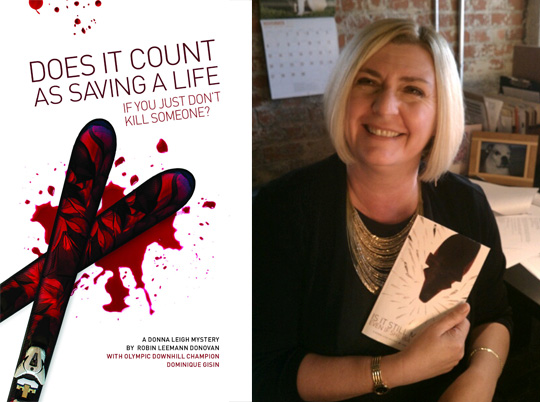
“The visual on the cover gives you a feeling that makes you want to read the long title.” —Robin Leeman Donovan
From Designer to Cover
The process usually begins with a simple email or conversation discussing what the author has in mind. For a successful collaboration between author and book designer, aim for the middle ground. You might think giving a designer free rein is freeing, but many feel the opposite. “I always cringe a little when an author says, ‘I trust you—do whatever you think’ because most people have preferences. It’s better to know these upfront than to guess wrong,” says Sierra. Equally problematic is the author who knows exactly what they want because it can “box in the design.” Instead of getting caught up in the exact images and colors you want, ask yourself bigger questions. What message or emotion do you want the cover to send?
It's better to sketch out your ideal cover with broad strokes by giving your book designer some key pieces of information. Helpful information can include a book synopsis, general concepts, moodboard, and book covers you like. Pinpoint what about the covers you like—color palette, font, texture, minimalism. Don’t worry about using the “right” words. Notes such as “This has a dreamy feeling,” “These colors really pop,” or “I like this font” can steer your designer to the cover you want.

“The majority of your audience will see your cover online at thumbnail scale.” —Danna Steele
After initial input, most designers will work out several concepts and, when one is selected by the author, design a detailed cover with continued input. If you disagree with details, it helps to ask the designer about their choices. Robin Leeman Donovan thought her long book titles taking up space on her book covers would be a good thing. But she was presented with the opposite: an unusual but large image and a smaller title. And that was when she saw the wisdom in trusting her cover designer. “The visual on the cover gives you a feeling that makes you want to read the long title.” It also set her series apart from the typical cozy mystery covers.
Danna Steele also points out how book designers like herself are often influenced by aspects not on an author’s radar, like bookseller’s websites. “The majority of your audience will see your cover online at thumbnail scale. With that in mind, it’s important to craft a title that’s clearly legible at a small scale and graphics that follow suit.” Designers can also take into consideration how well an image will transfer to bookmarks and other promotional material as well as how it can link to other books in the same series or by the same author.
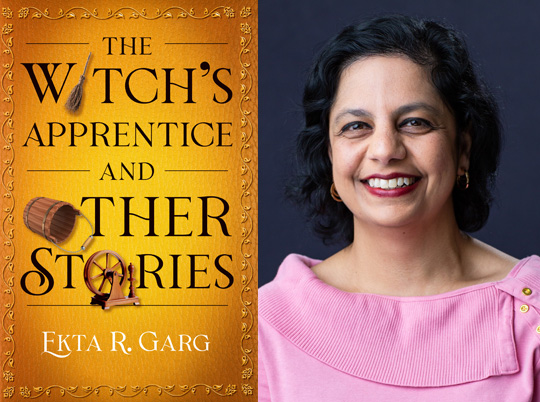
“Don’t compromise on your cover. It’s essentially the front door to your story world, and you want that door to look as inviting as possible.” —Ekta Garg
Although timelines vary depending on the amount of work a book designer has scheduled, when there is a clear line of communication, a cover can be created in approximately four weeks.
The author-book designer relationship works best with equal amounts of trust in each other’s expertise and respect for the author’s vision. As Garg explains, “Don’t compromise on your cover. It’s essentially the front door to your story world, and you want that door to look as inviting as possible.”
***

Jodi M. Webb writes from her home in the Pennsylvania mountains. She has bylines in PROVOKED by susan, Business Insider, Pennsylvania Magazine, Tea Journey, NPR and Woods Reader. She's also a blog tour manager and writer for WOW! Women on Writing. Visit her blog Words by Webb jodiwebbwriter.com/blog.