ave you ever read a book and decided the main character was unlikable or annoying?
Or have you finished a novel, knowing that the protagonist has stolen your heart?
Or perhaps you’ve been so frustrated with a character or characters in a book that you couldn’t bear to continue reading it?
I tried to read a contemporary romance last year and couldn’t get beyond the first couple of chapters. I tried to talk myself into continuing with the book, but it was no good. The protagonist was galling—smart-mouthed, aggressive and totally unlikable. Everything she said was vitriolic, and the hero seemed to be her verbal punching bag. He just took it and never answered her back or addressed her attitude. Maybe this happened later in the story, but I’d given up by then!
I think the idea was supposed to be that she was “sassy,” but she just came across as nasty, and she would be the last person I’d ever want to hang out with! Clearly, I couldn’t warm to her at all.
Characters have to be realistic, likable, and relatable, yet possess the same nuances that we do, so that they become individuals in their own right.
Even when you craft a villain for your story, you have to be careful that you don’t create someone who is too stereotypical. If you do, then your reader won’t believe that this baddie exists, and they will doubt the authenticity of the rest of your cast of characters and your story as a whole.
So, what’s the best way to write realistic characters?
Perfect Imperfection
None of us are perfect.
It’s a fact.
We all have imperfections, likes, dislikes, strengths, weaknesses, and foibles. Some of us are impatient (me!), some of us procrastinate (me again!), and some are shy or too talkative.
We have talents and abilities. We also have things that we aren’t quite as proficient in.
Creating a character who also possesses uniqueness and individuality will make them far more realistic and vivid to your reader, and these characters will ultimately pop from the page with life.
Creating a protagonist who is deemed too perfect will make your reader question their authenticity and in turn the authenticity of the other characters and your plot—just like the villain scenario mentioned above. Heroes and heroines will become unattainable and out of reach to your reader. They won’t come across as 3D, which is what writers strive for in their fiction works.
Perhaps your character loves The Rolling Stones and dancing in puddles? Maybe they can be a little too impatient when they are asked to wait for something or have a hatred for New York cheesecake? (I know, but just go with me on this one, I don’t get that either!)
Show, don’t tell, their uniqueness. What they do, how they act, and what they say can illustrate the sort of person they are.
Getting to Know Them
So, what is the best way to do this? How can you get to know your characters, so that you feel like they are old friends?
As a writer, you should always try to make your characters zing from the pages, and that means getting to know their passions, fears, and dreams.
Some writers undertake “interviews” with their characters, asking them probing questions, so that they can understand their background and motivations. This means that you can essentially get inside the head of your characters. Talk to them, have conversations with them, and tap into their psyche.
You don’t have to talk to them aloud, for fear of people on the bus sitting next to you, changing seats! What you can do instead is write up an interview with them. You pose the questions, they answer, and then you will have far more of a rounded take on your characters and what makes them who they are, why they are, what they want to achieve, and what might be holding them back.
Holding Out for a Hero You Want to Meet
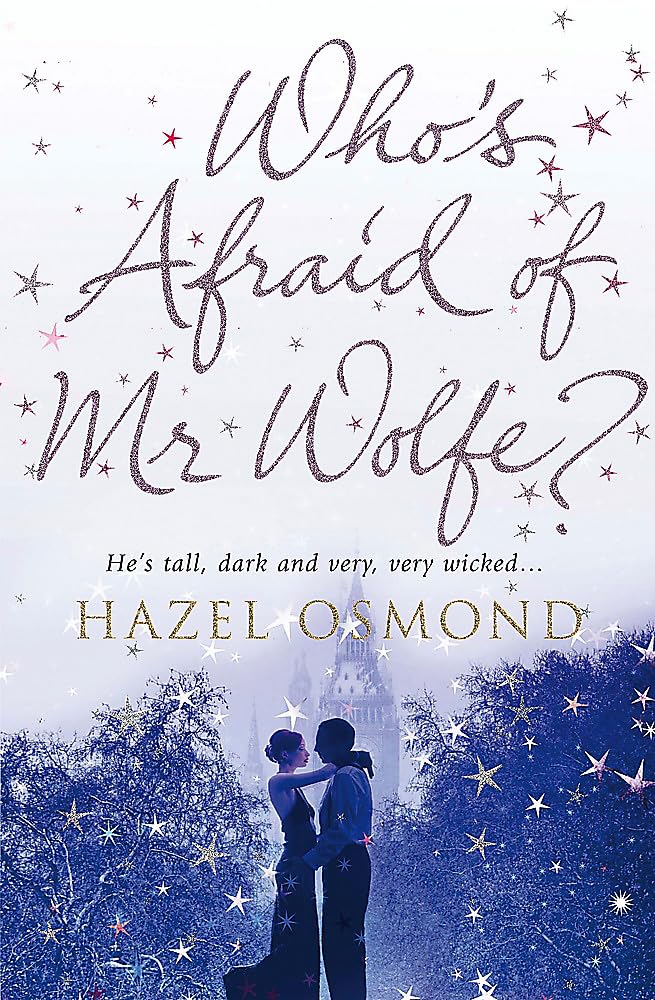
One of the most likable charismatic characters I’ve ever read about (and who I fell a little bit in love with) is Jack Wolfe in Hazel Osmond’s contemporary romance, Who’s Afraid of MR Wolfe?
Jack is ambitious, confident, and sexy, but he’s also vulnerable underneath. And this is beautifully illustrated in the book with everything from his body language to his conversations. Once I’d finished reading, Jack, his life, and his sheet presence was imprinted on me long afterwards, and this remains one of my all-time favorite books.
Making your characters touchable, infallible, and relatable is the key to creating someone whom the reader feels they know or desperately wishes they did know!
Insecurities
We all have insecurities—even your characters.
If you can tap into this reality and show your readers that your characters are just like the rest of us, then you will have the magic combination.
Readers will feel like they know your characters, will want to get to know them and have affinity with them, and readers will also see part of themselves in your characters, too.
Anyone who says they don’t possess particular insecurities is either deluded or telling a lie. You can channel yours while writing and also look at your characters’ concerns or worries. What makes them concerned for their future? What affects their confidence?
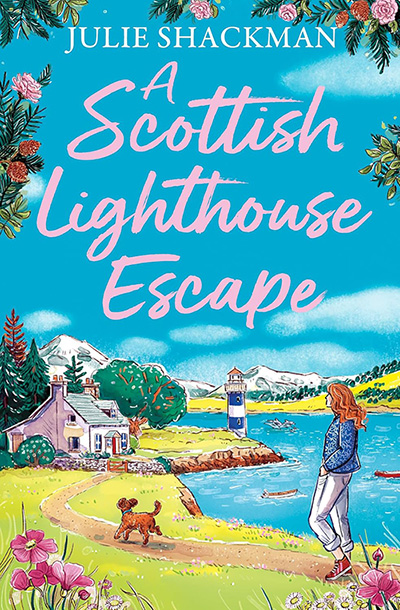
In my latest feel-good romance, A Scottish Lighthouse Escape, Rosie Winters, my main character and a romance author, definitely carries some of my characteristics! She’s a dog lover like me. She’s a hopeless romantic (again, like me or at least to begin with…). She’s obsessed with Christmas like me, but she also has a tendency to be a bit impatient (yep, me!).
Hold a mirror to your characters and let them reveal themselves.
Anti-heroes
Think of characters like Wolverine, Batman, or The Hulk. They are considered anti-heroes because they are thought to lack conventional heroic attributes, such as idealism and morality.
Some say with anti-heroes, baddies and goodies become less distinguishable from one another, and the lines are ultimately blurred.
However, if you get stuck in a tight spot, I guarantee you, they would come rushing to your rescue!
That is what makes them so appealing and their personalities so realistic; they aren’t perfect, and they don’t try to be. But ultimately, they are on the right side—even if some of their actions could be seen as questionable.
They may have a tragic backstory (Batman’s parents were murdered by The Joker), and this too can be like a mirror, reflecting their decisions and actions. Readers get an insight into why anti-heroes have become who they’ve become, and why they act the way they do. It also gives us insight into their motivations.
Plus, they are attractive and appealing in fiction because they are individuals who don’t prescribe to a specific code of conduct. They want to do the right thing—but under their own terms—and that is what makes them so hard to ignore.
Everybody has a backstory of some kind, which supports how and why they’ve travelled the road that they are on. Weave your character’s backstory into your plot, and this will illustrate why your characters have made the choices that they’ve made. It can also help predict choices they might make in the future and what they intend to do to succeed.
In Conclusion
These beings are your characters. You are breathing life and energy into them whenever you reach for your pen or tap on your keyboard. Craft them so they zing from the page. Make them seem real to you, and that will transfer to the reader.
They will see your characters as living, breathing individuals, and they will become even more invested in the characters and the story—and also you as the storyteller.
Speak to your protagonists. Interview them. Chat with them. Examine them. See them as real people. Put some of your own qualities and insecurities into all your characters. Show how these characteristics have affected them in the past and the decisions they’ve made.
Do this to your fiction, and before you know it, you’ll have a set of realistic characters whom you’ll feel are your friends—and whom your reader will consider as friends, too!
Happy writing, folks!
***

Julie Shackman is a feel-good romance author from Scotland and is published with the HarperCollins imprint One More Chapter. Visit her website: julieshackman.co.uk. Connect with her on social media: X @G13Julie, Instagram @juliegeorginashackman, and Facebook @julie.shackman.